
Metosu Notes
Field notes from the Tangerang line.
Engineering explainers, industry positioning, and project case studies from the team that fabricates Indonesia's cable management.
-
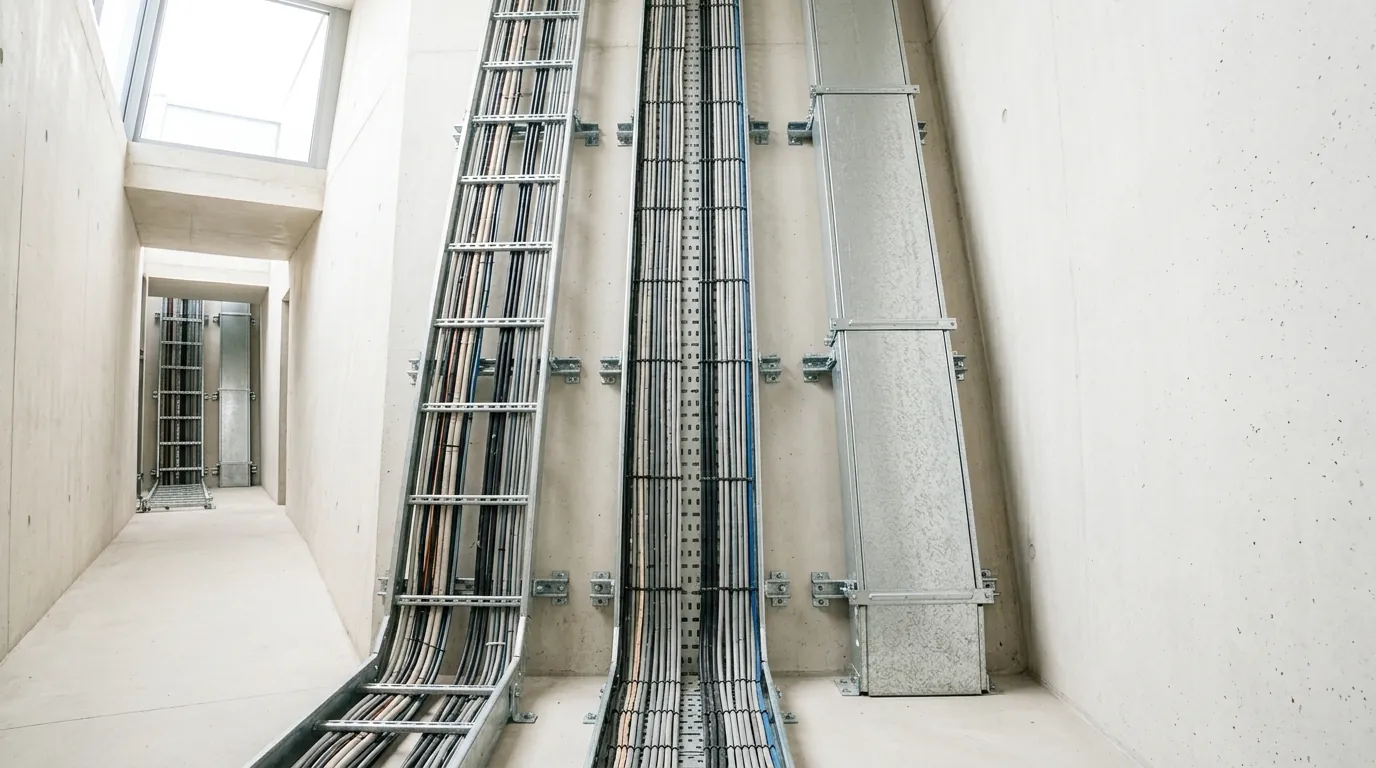
Writing a cable tray BOQ for an Indonesian project: the line items a complete specification must capture.
A practical spec-writing guide for consultants, QS, and M&E engineers: the exact line items a complete cable tray BOQ in Indonesia must capture — product line, perforation, size, thickness, NEMA class, finish, fittings, and support spacing — with a copy-able checklist and a worked example.
-
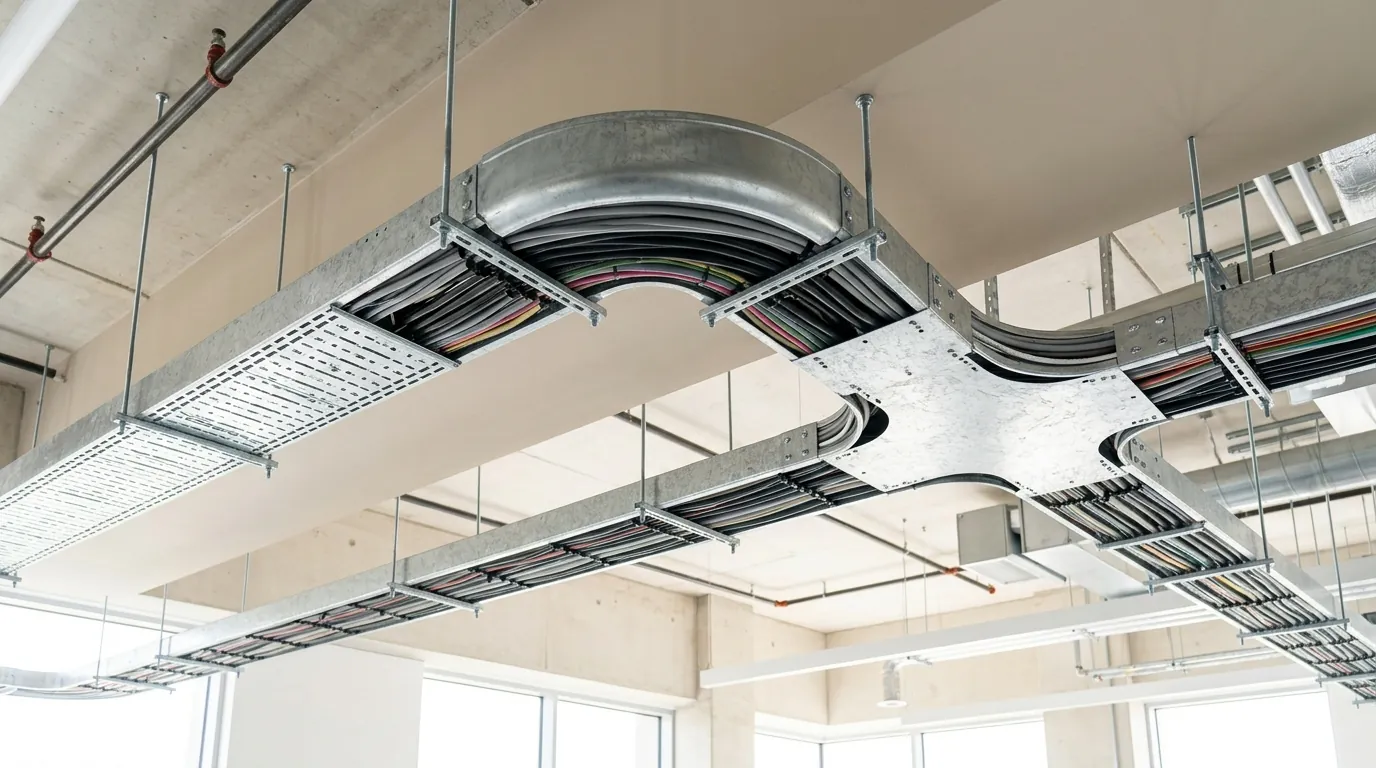
Cable tray fittings and routing: how to take a run around real obstacles.
A cable tray run is never a straight line. The fittings — risers, flat-wise elbows, crosses, tees, reducers, and accessories — are what carry it up a riser, around corners, into branches, and down in width. Here is which fitting suits which geometry, and how to keep the cables protected through every change of direction.
-
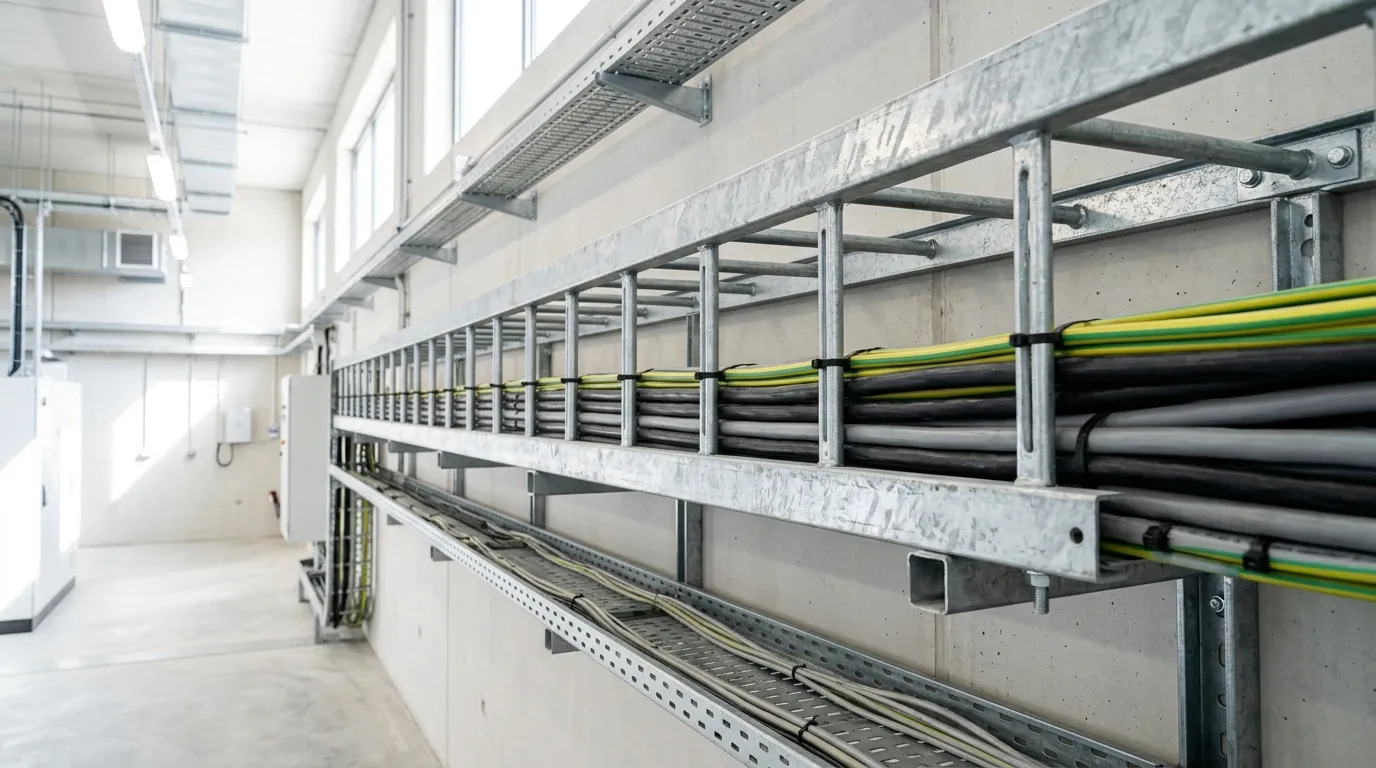
IEC 61537 cable tray explained: Safe Working Load, deflection, and how it maps to NEMA and SNI.
IEC 61537:2023 classifies cable tray and ladder by Safe Working Load in Newtons at a stated span, with a deflection limit — not by a letter class. How to read an IEC SWL classification, how it cross-walks to NEMA VE 1 and SNI, and how Metosu's Sucofindo reports satisfy both frameworks.
-
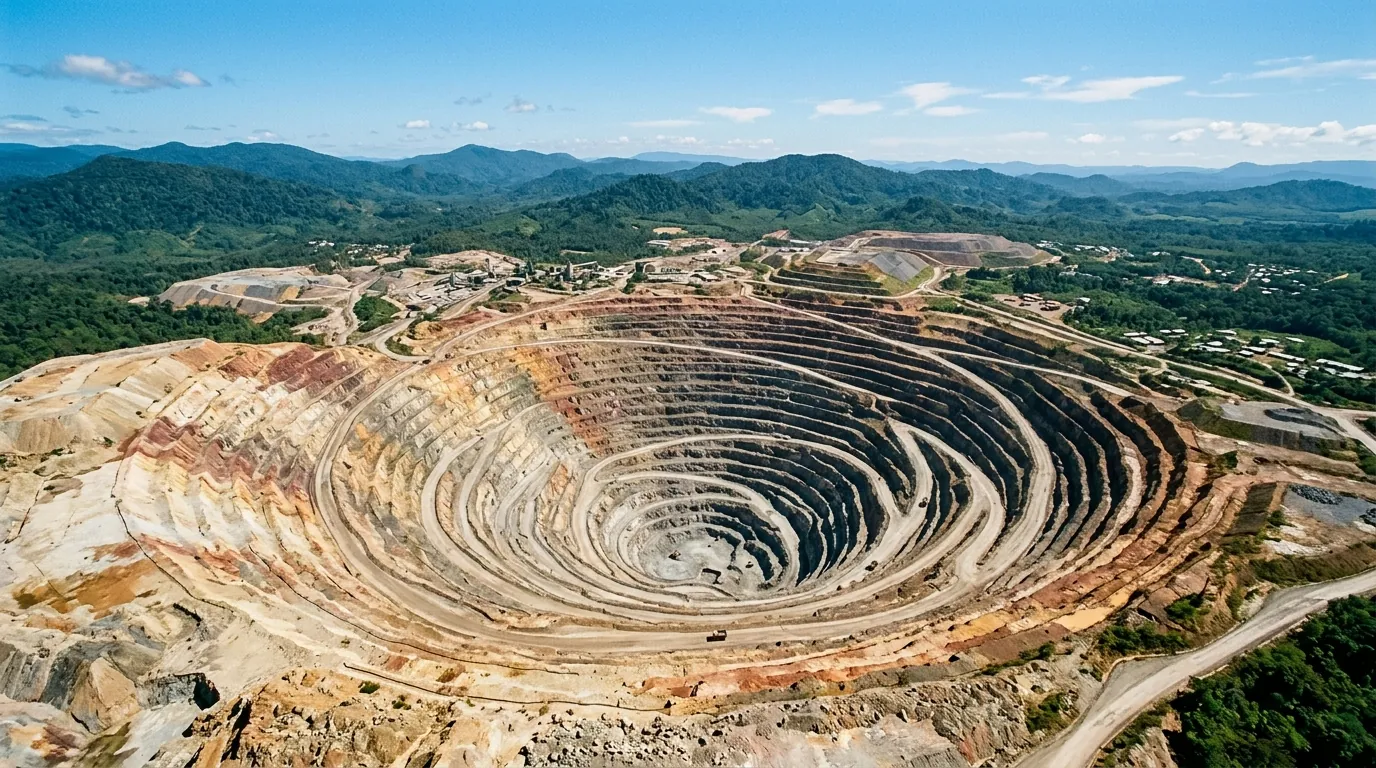
Mining cable tray Indonesia: specifying heavy-duty containment for abrasive, corrosive duty.
Mining and mineral processing in Indonesia — nickel HPAL, copper concentrators, coal handling, coastal smelters — run cables through dust, vibration, wash-down, and corrosive process atmospheres. Here's how to specify cable ladder and tray that survives it.
-
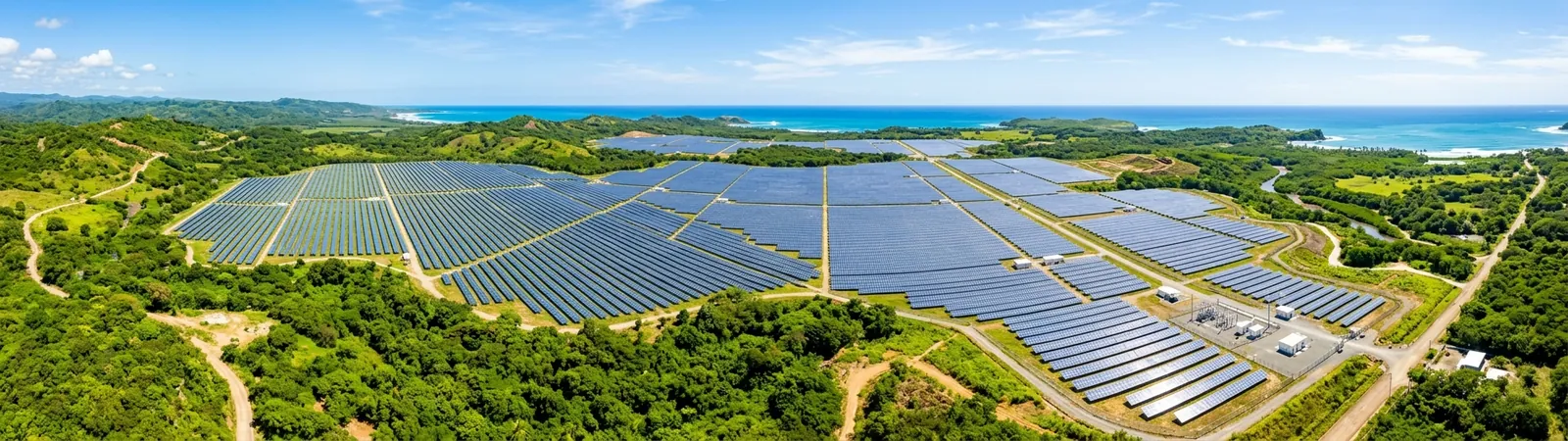
Specifying solar cable tray in Indonesia: a guide for utility-scale PV plants.
How an EPC or design engineer specifies cable tray and ladder for outdoor utility-scale PV plants in tropical Indonesia — UV and thermal cycling, coastal corrosion class per ISO 12944, outdoor support spans, and thermal derating of bunched DC strings.
-
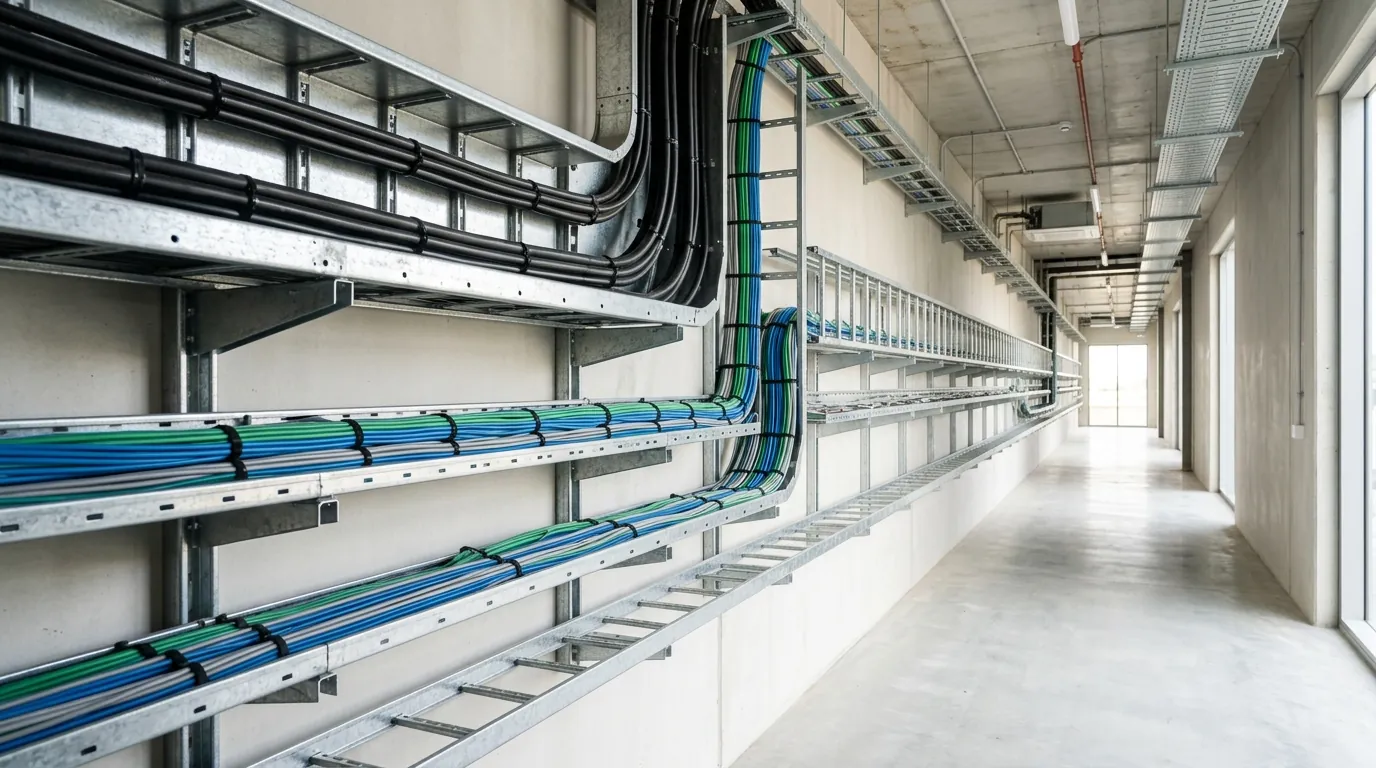
Cable segregation: keeping power, data, and fire-alarm circuits apart.
Running power, data, and life-safety cables in one tray is a false economy — it invites electromagnetic interference, fails code review, and risks fire-alarm survivability. How to segregate circuit categories properly, in the design and on site.
-
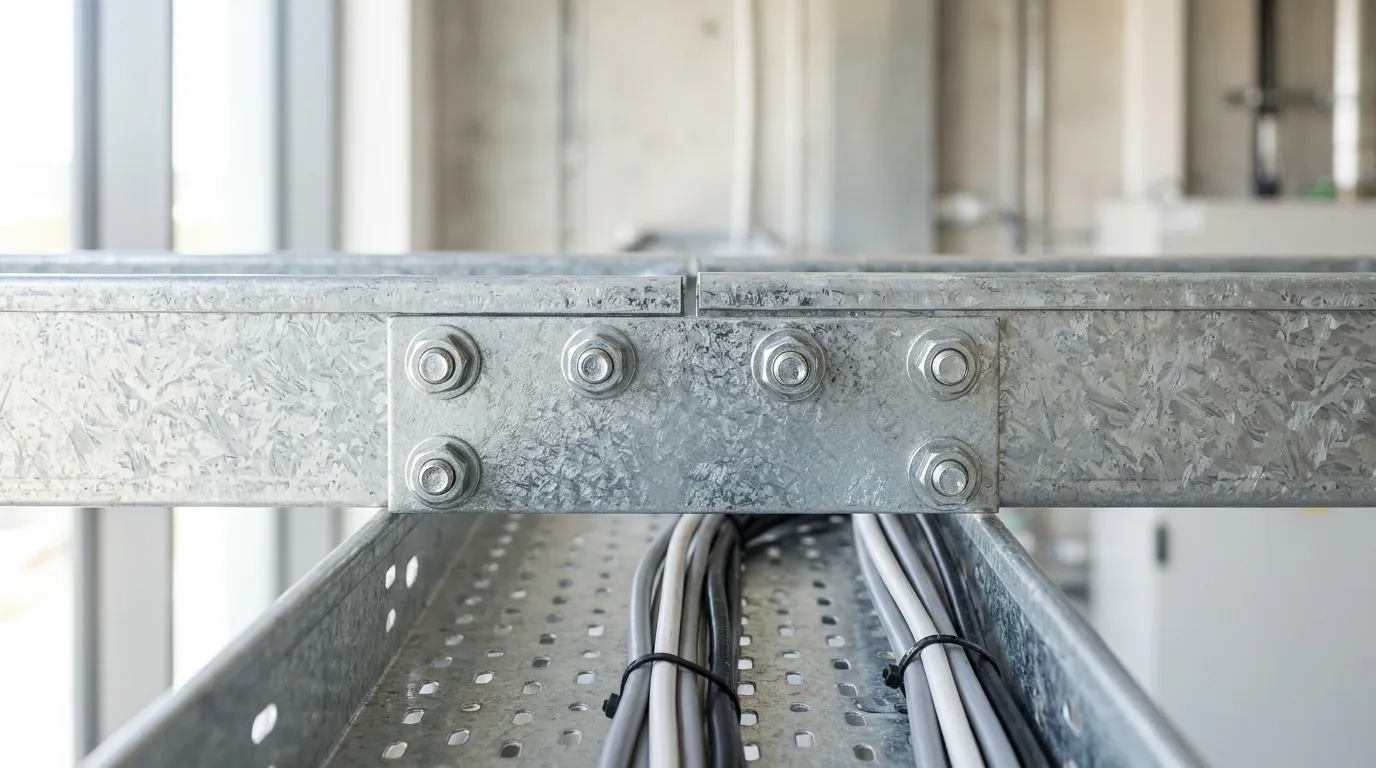
Cable tray earthing and bonding: your tray is part of the earth system.
A metal cable tray run is electrically part of the building whether the design intends it or not. Why bonding every joint matters for safety and code compliance, what IEC 61537 and PUIL 2011 require, and how to verify continuity on site before sign-off.
-
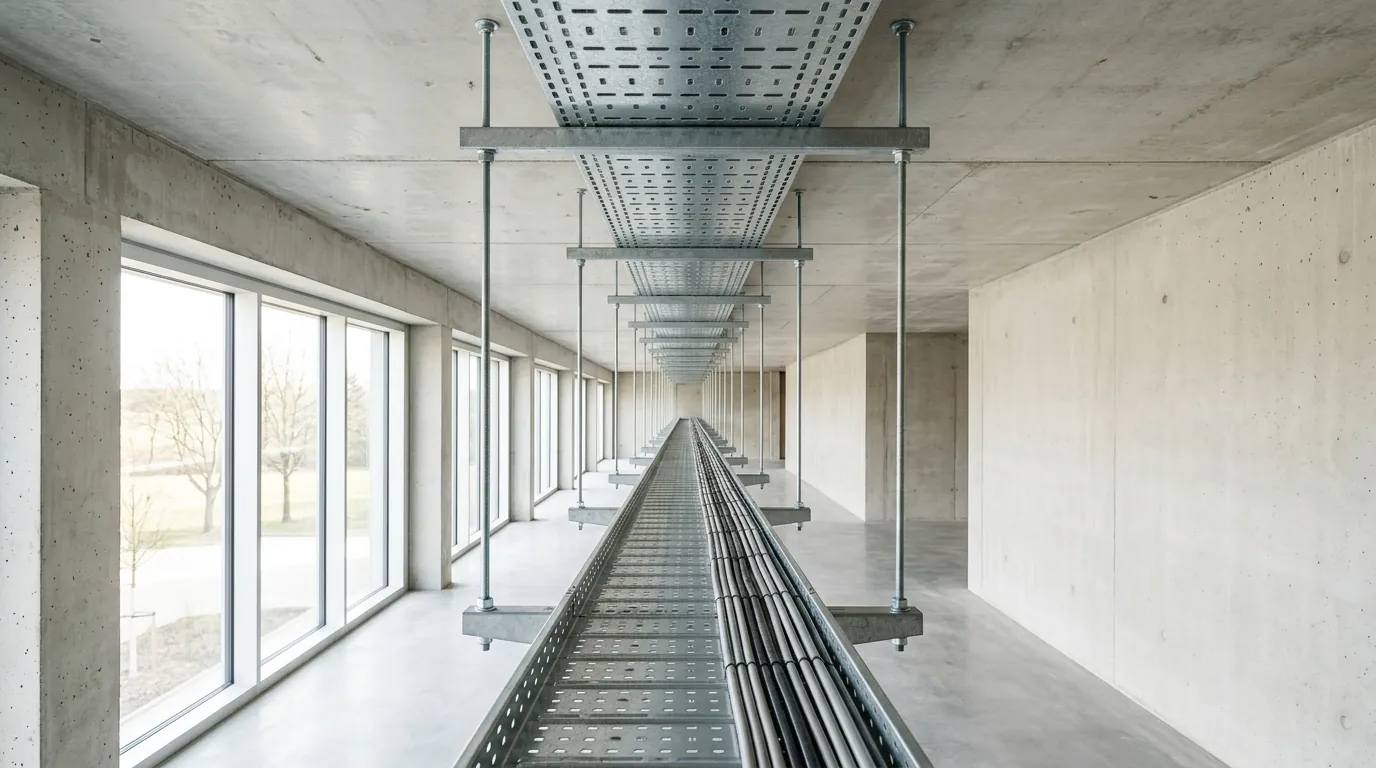
Cable tray support spacing: the span that decides your real load rating.
A cable tray's published NEMA load class is only valid at the span it was tested at. Support spacing on the actual site is what decides whether that rating still holds — and how to write it into a BOQ so it does.
-
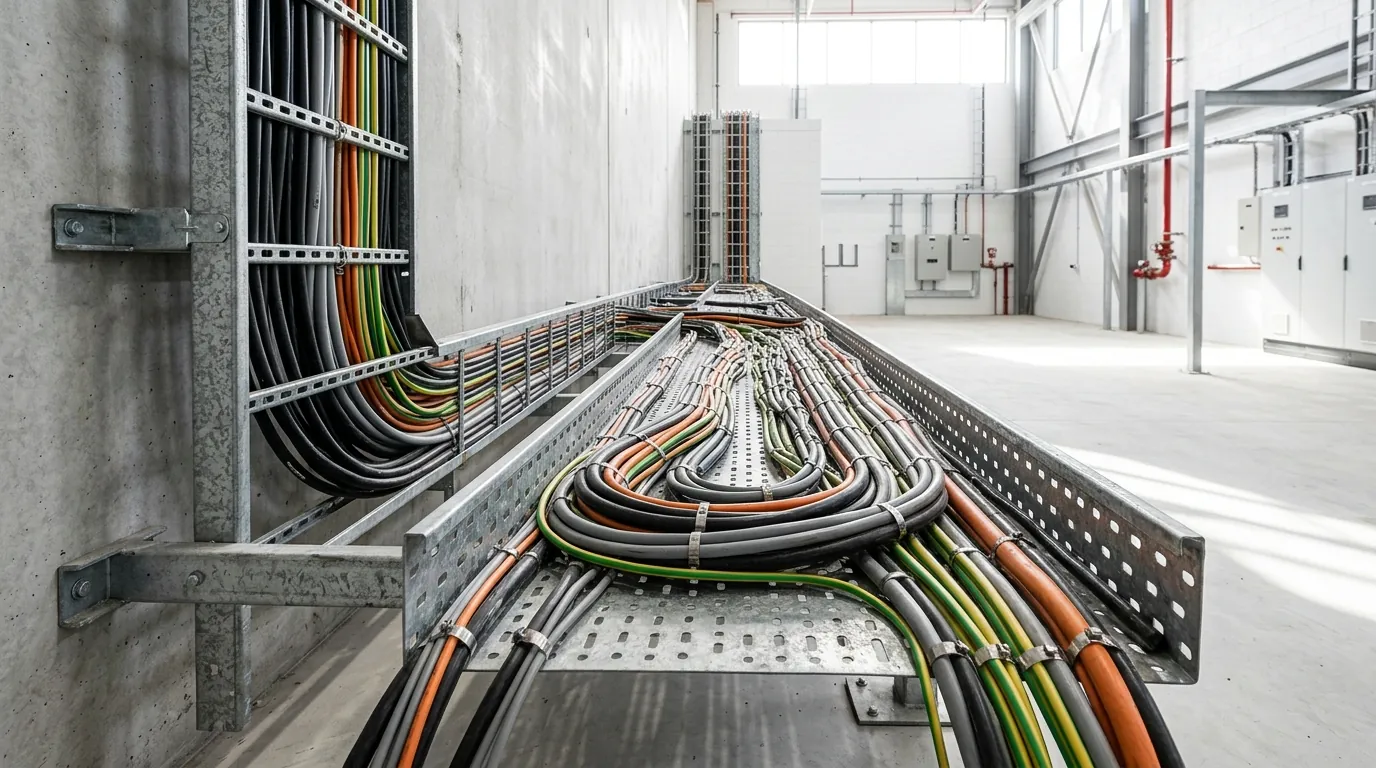
Cable derating in trays: why bundled cables carry less current.
Cables grouped in a tray run hotter than a single cable in free air, so their current-carrying capacity must be derated. Skip the IEC 60364-5-52 correction factor and the cable is under-sized — an overheating and compliance risk that surfaces years later.
-
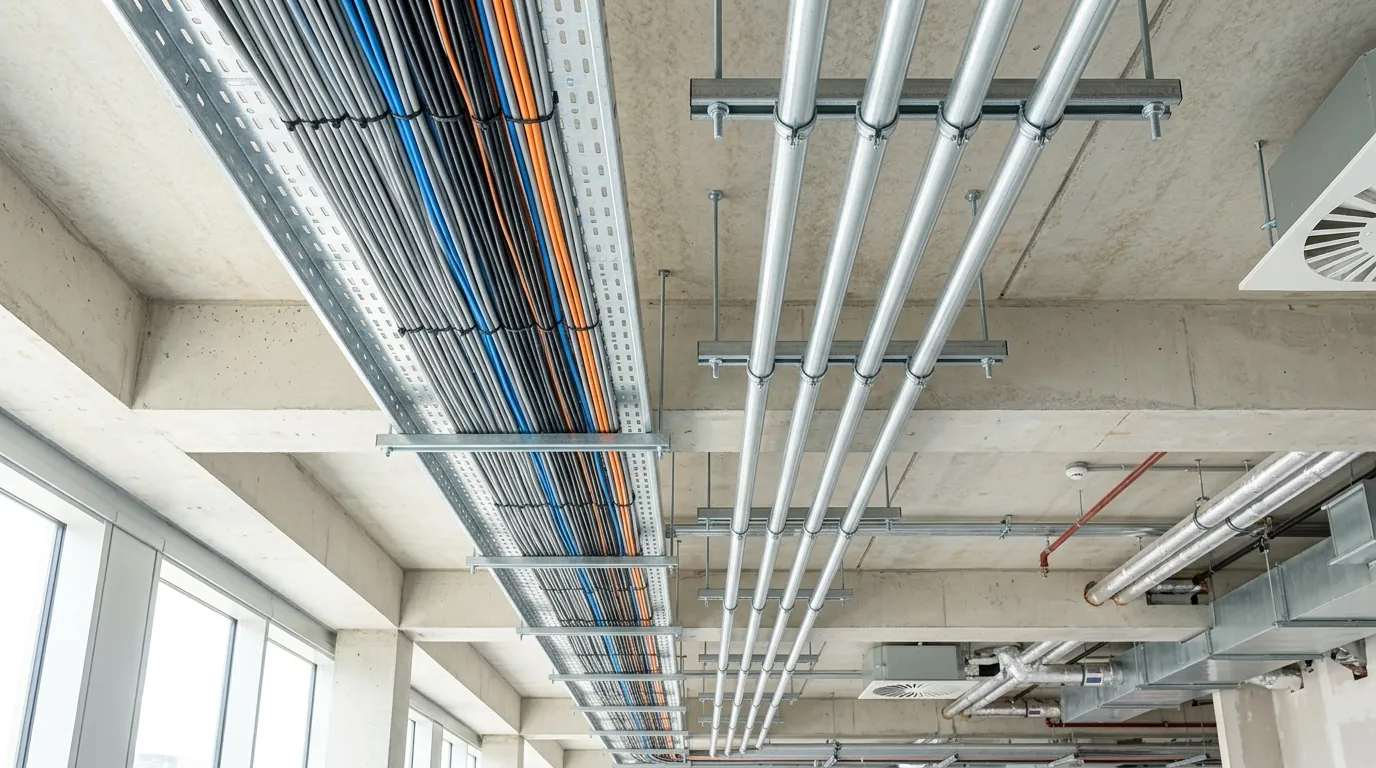
Cable tray vs conduit: choosing the right cable management system.
Cable tray and conduit solve the same problem in opposite ways. A system-level decision guide on cable capacity, future change, heat dissipation, mechanical protection, and installed cost — and where conduit is still the honest answer.
-
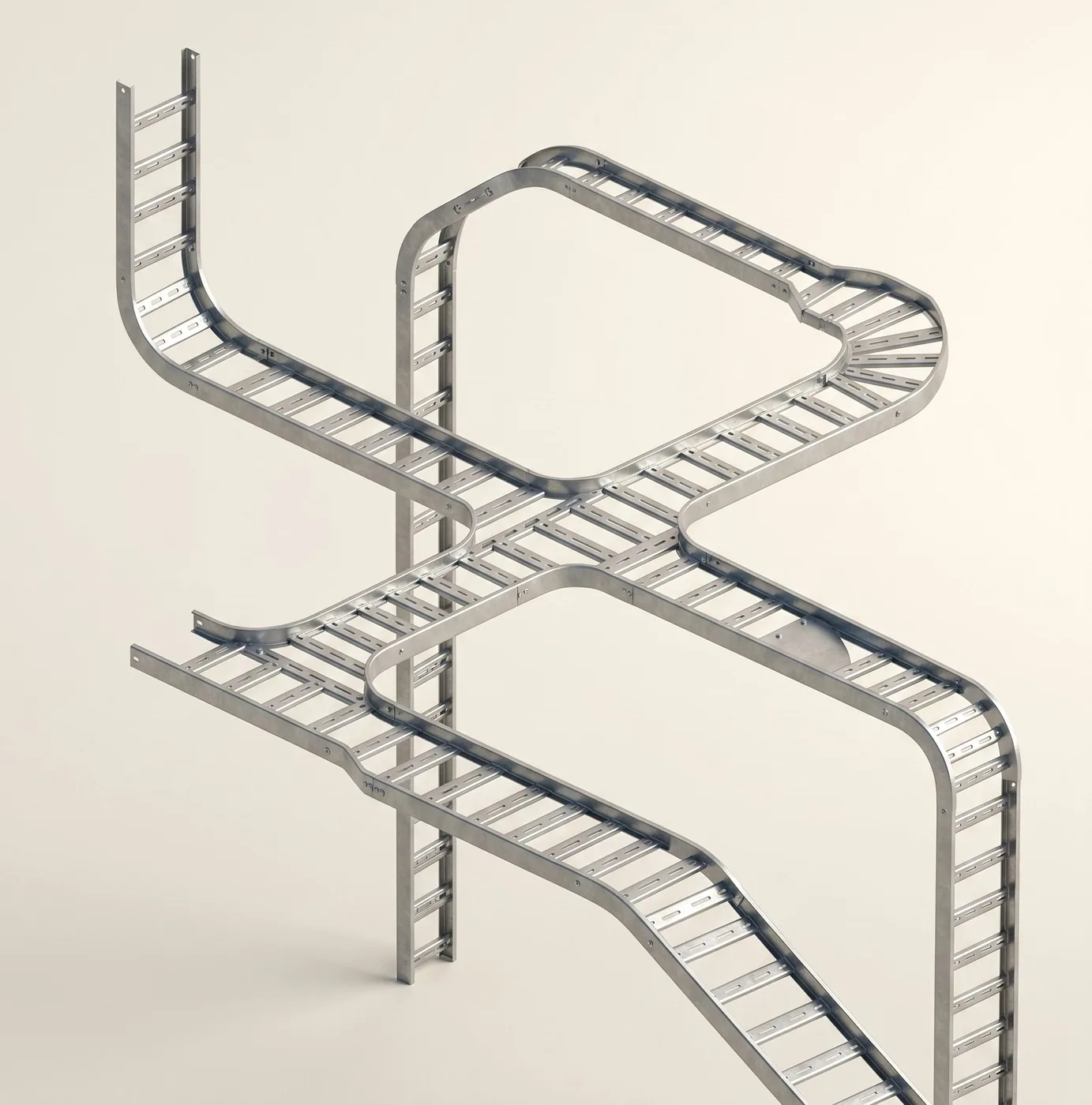
NEMA class vs tested capacity: how to verify a cable tray's real load rating.
A NEMA load class is a pass/fail minimum, not a measured capacity. How to read a cable tray load test report, the four things to demand from any manufacturer, and what Metosu's independent Sucofindo results show — a cable ladder that held 2.5× the Class 8C minimum.
-
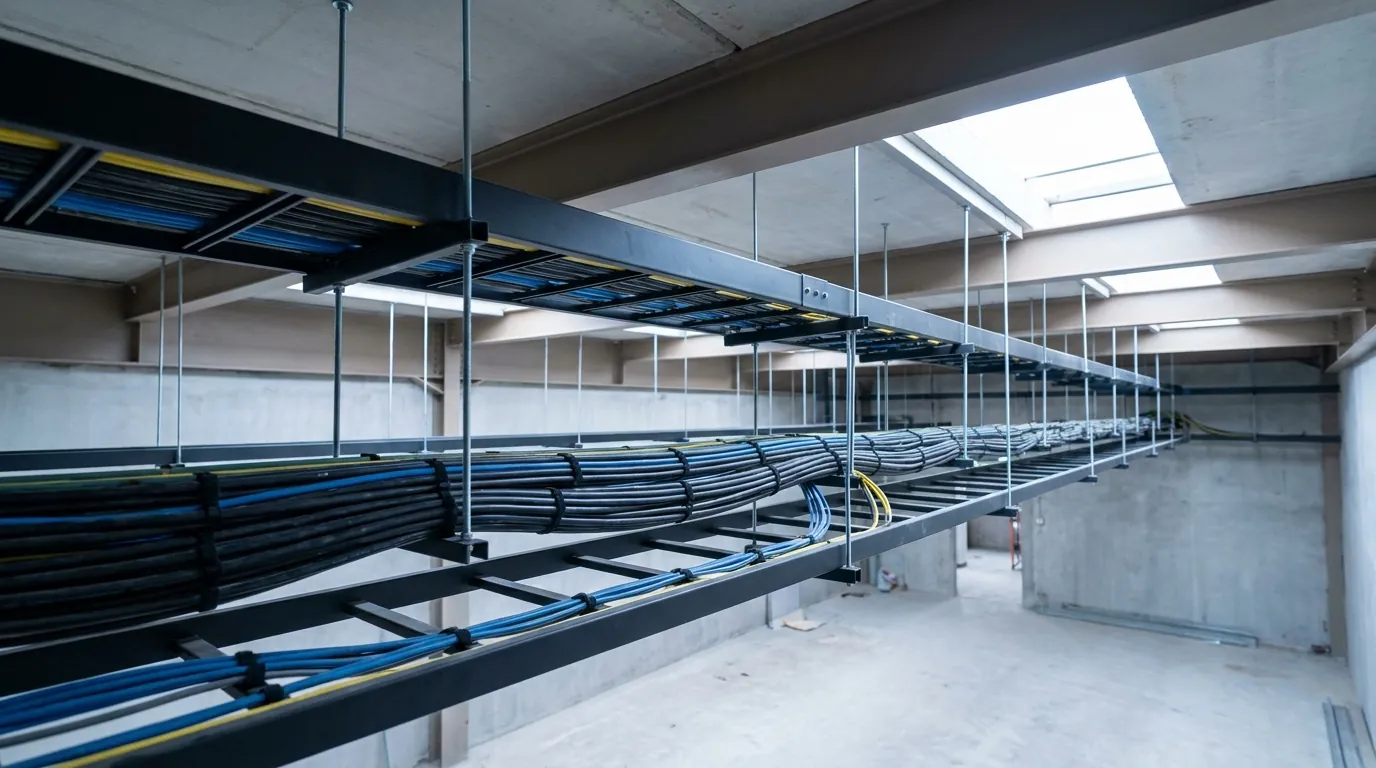
NEMA VE 1 vs SNI: cable tray standards for Indonesian projects.
PUIL 2011 governs cable tray installation in Indonesia — but is silent on product load class. A practical, two-layer specification framework for MEP engineers and EPC procurement teams, with Sucofindo NEMA VE 1 test report references for Indonesian projects.
-
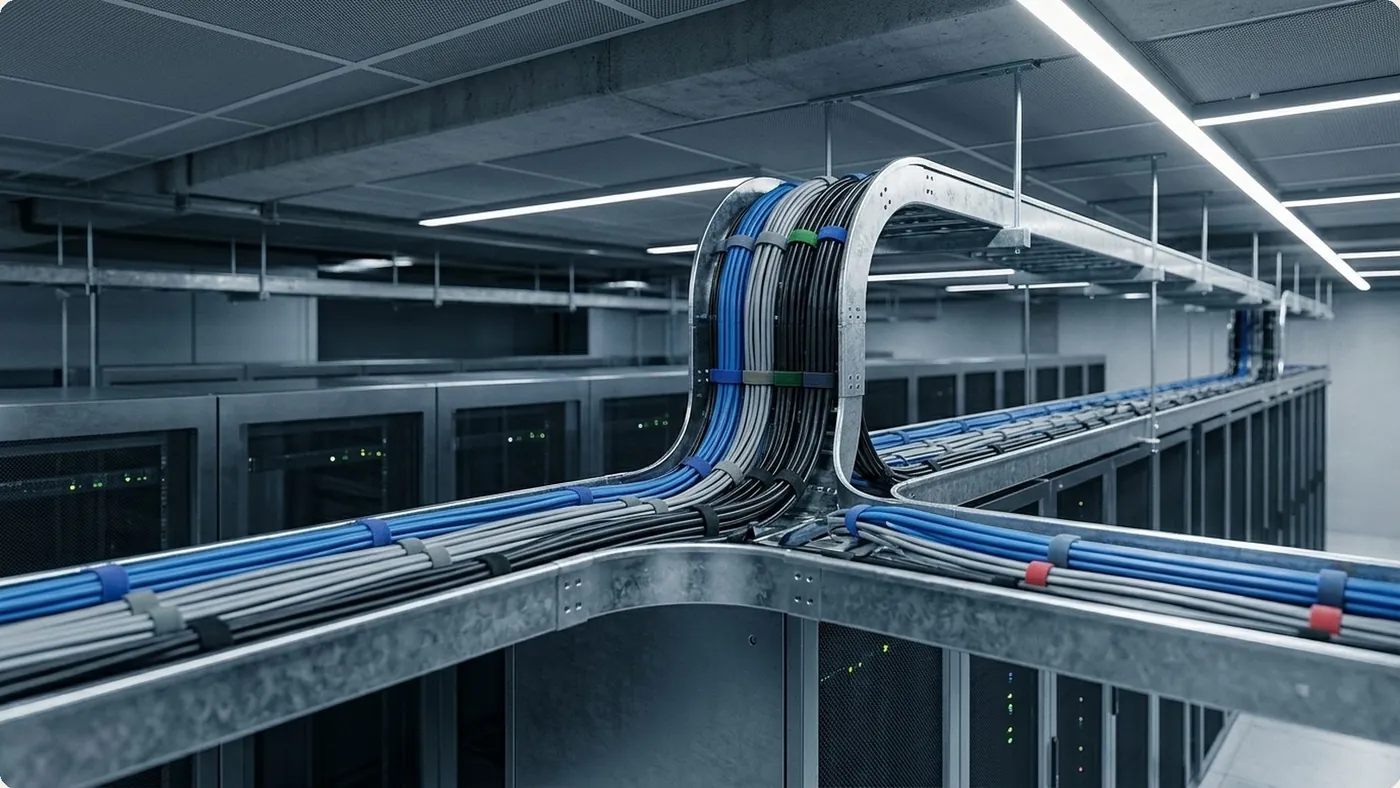
Specifying Indonesian DC cable trays: NEMA VE 1 vs SNI for Singapore consultants.
Singapore MEP consultancies writing for Indonesian data centres face two standards frameworks on the same cable tray schedule. A specifier-grade comparison of NEMA VE 1 vs SNI — load classes, test methods, corrosion, marking — with worked spec examples and Sucofindo report references.
-
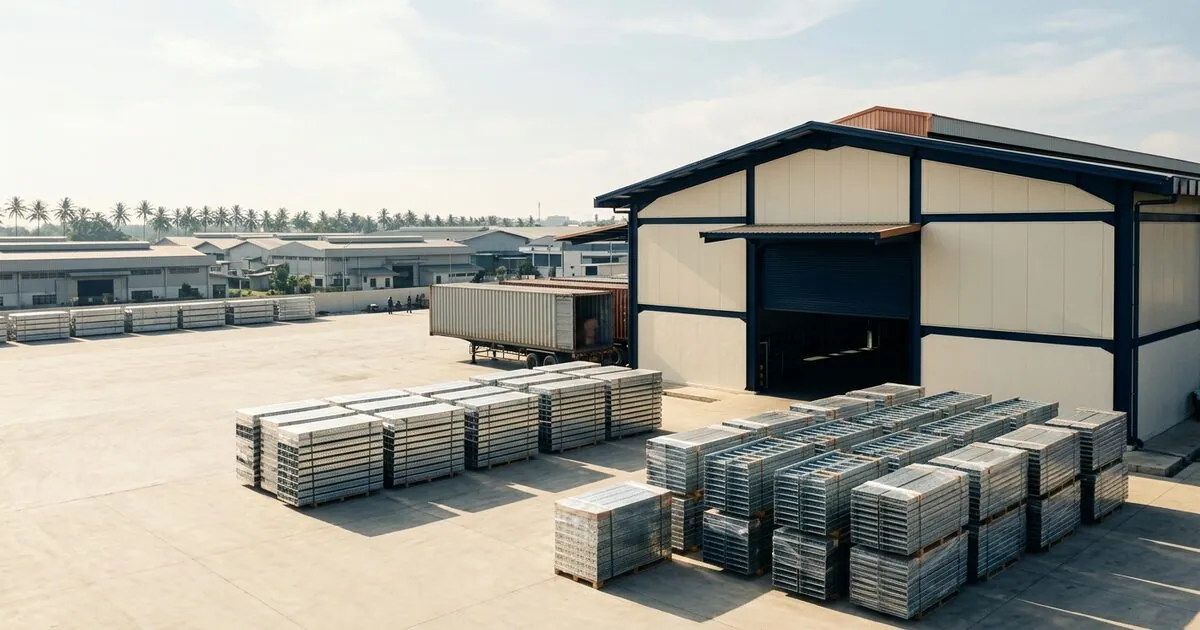
Sourcing cable management from Indonesia: a guide for Singapore contractors.
A defensible Indonesia sourcing playbook for Singapore DC contractors — ATIGA Form D, Tanjung Priok logistics, Sucofindo NEMA VE 1 reports, and lead-time benchmarks against China. Procurement-grade content, not a marketing brochure.
-
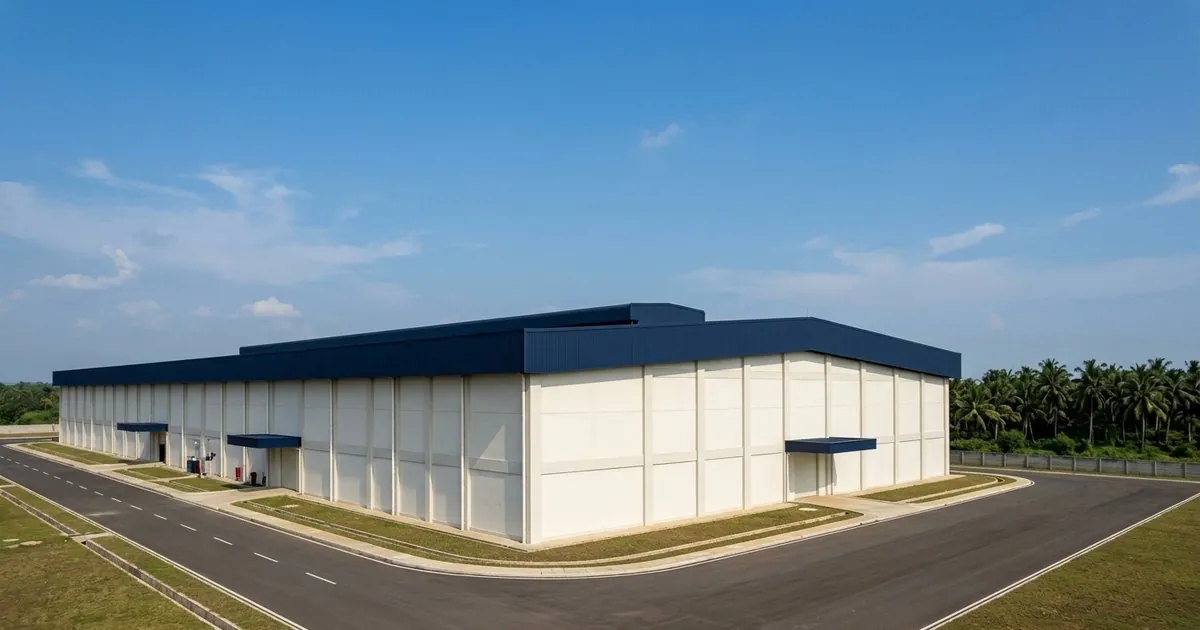
How to Specify Cable Tray for Hyperscale Data Centres in Indonesia: A Sourcing & Spec Guide
How to specify cable tray for hyperscale data centres in Indonesia: NEMA VE 1 + SNI, NEMA Class 8B/8C loads, Sucofindo-tested, Tangerang factory.
-
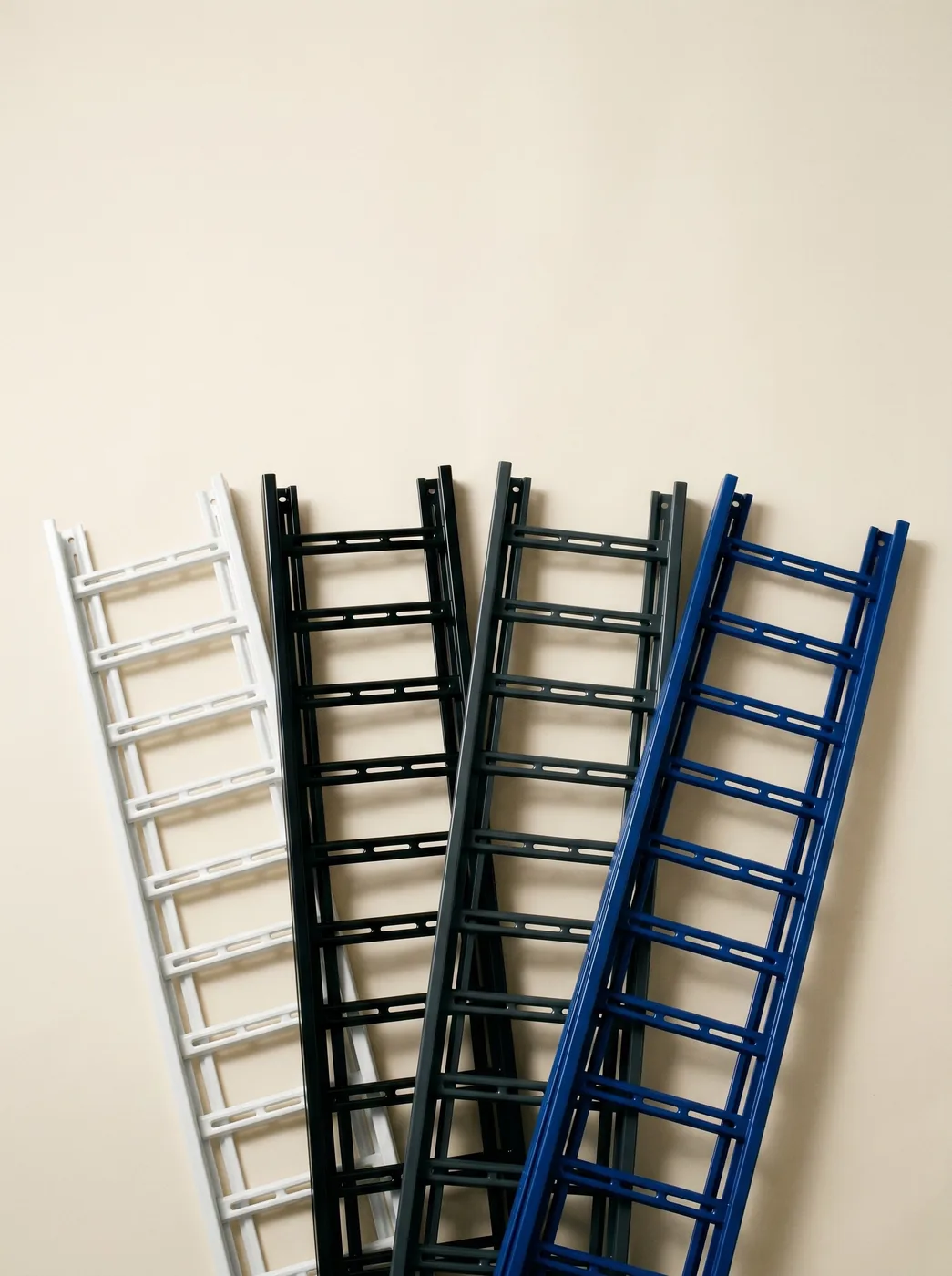
Hot-dip galvanised vs powder-coated: choosing the right finish.
Every cable tray, ladder, and trunking run ships with a finish. Two options — HDG and Jotun powder coat — cover every environment from offshore platforms to hotel lobbies. Here's how to choose.
-
NEMA VE 1 load classes explained: what 8A, 8B, and 8C mean.
Engineers write 'Class 8C' on drawings — but what does that number actually mean? A plain-language breakdown of the NEMA VE 1-2017 load class framework, with Metosu's independently tested numbers.
-
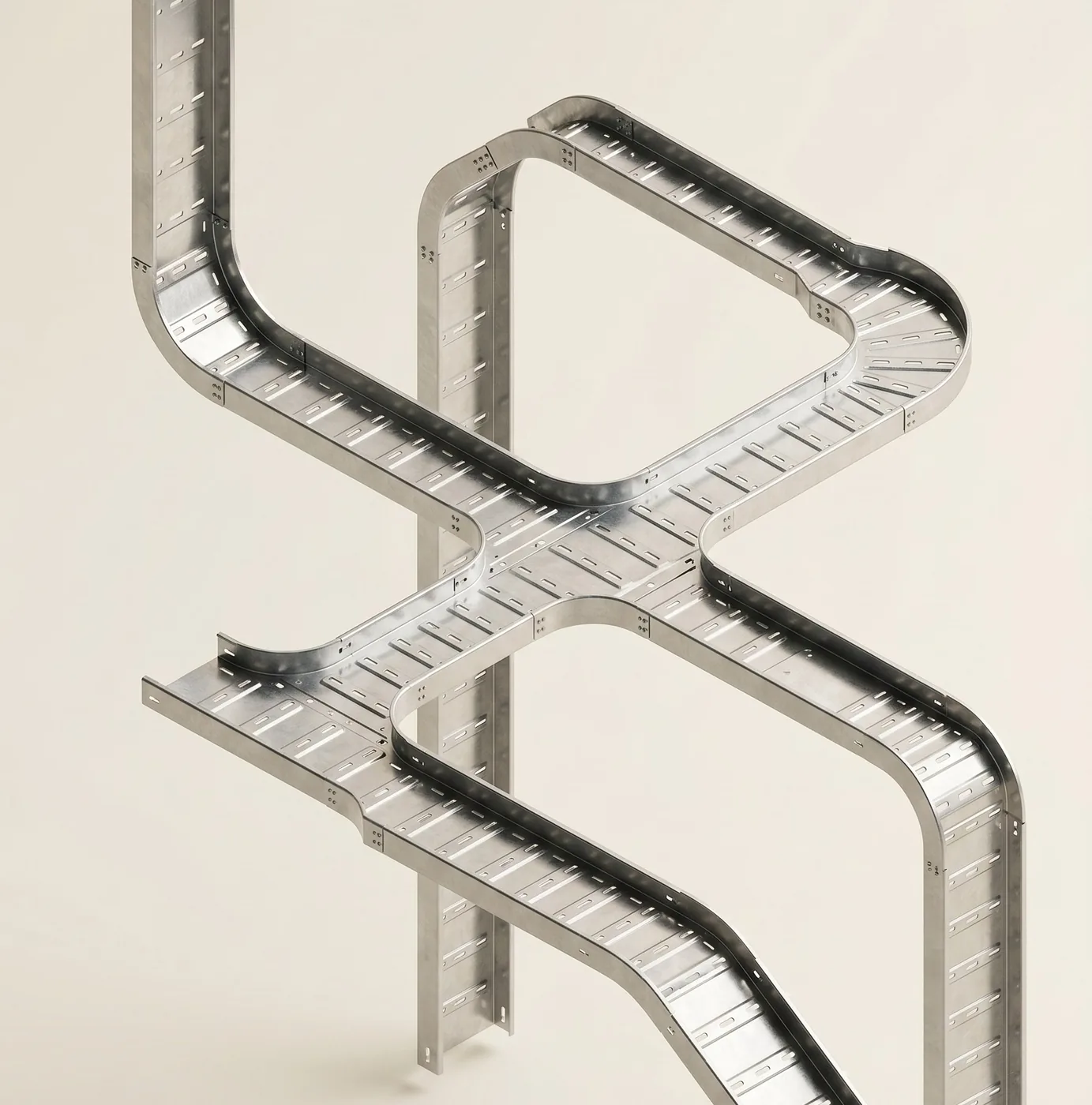
Cable tray sizing: width, depth, and fill ratio.
Getting tray dimensions right is the difference between a clean install and a change order. Width, depth, fill ratio — the three numbers every consulting engineer needs before the first support goes up.
-
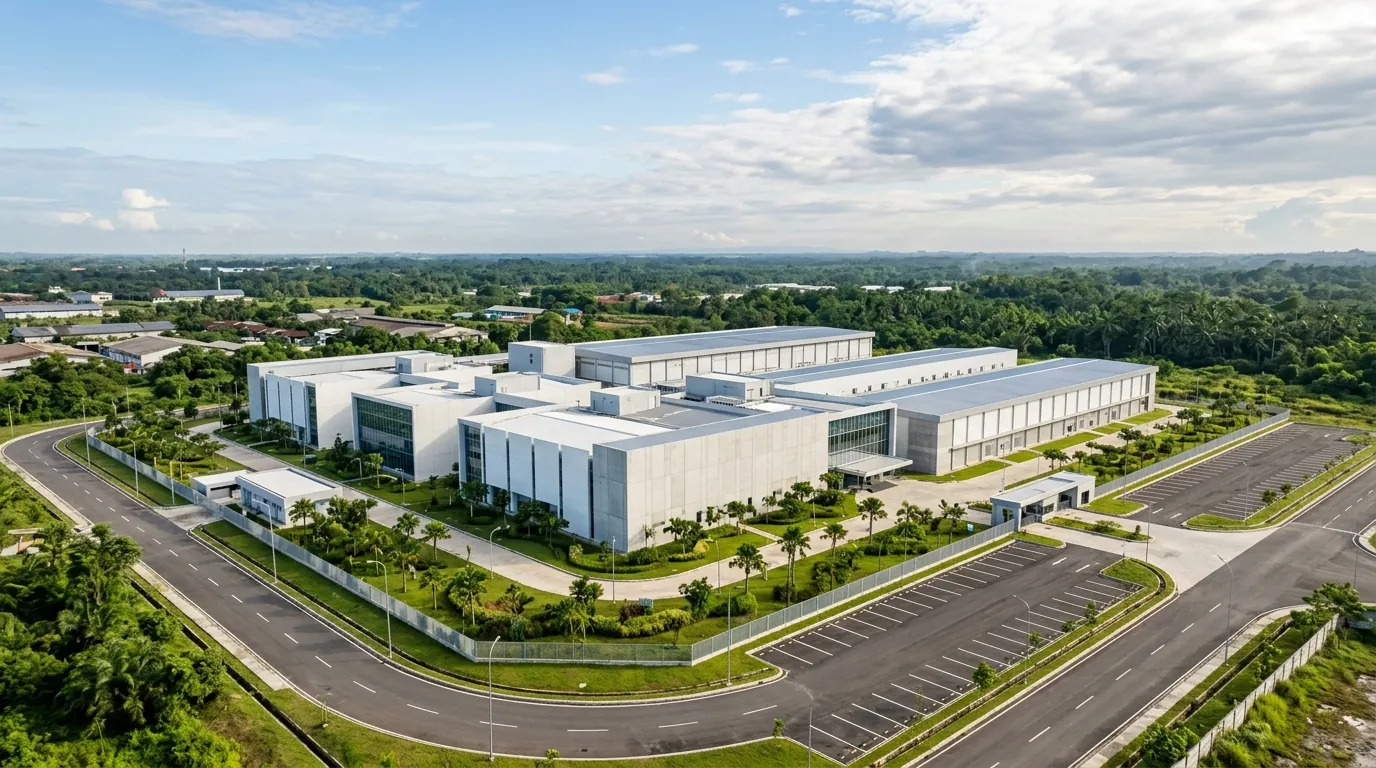
Cable management for data centres: a specification guide.
Indonesian hyperscale and colocation builds demand cable management that handles high-density power distribution, structured cabling, and life-safety segregation — all in the same overhead space. Here's how to specify it.
-
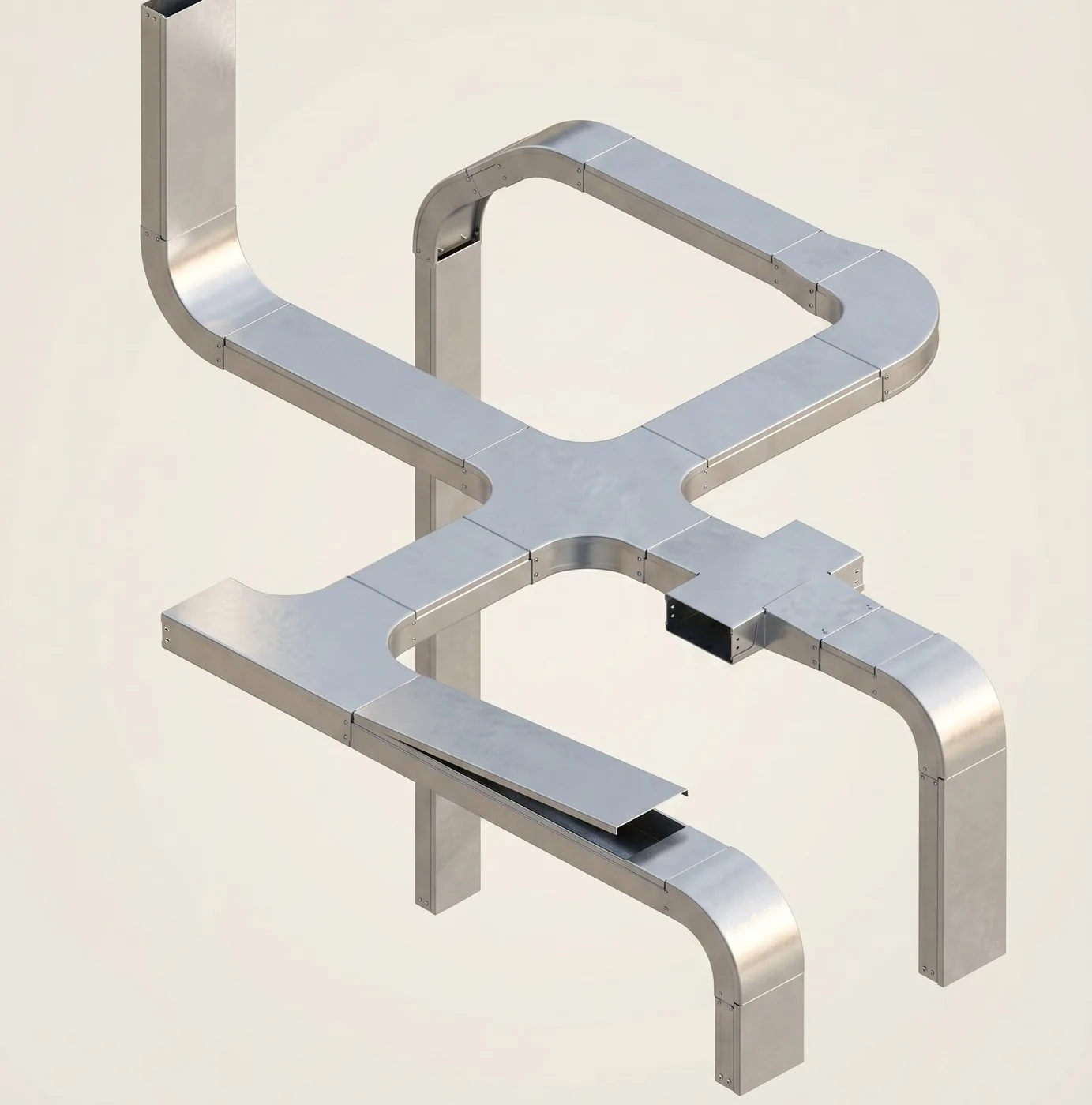
Cable trunking: when and why to enclose your cable runs.
Not every cable run needs to be open. Trunking — enclosed rectangular duct with a removable cover — exists for a specific set of problems: mechanical protection, circuit segregation, IP rating, and visual finish. Here's when it's the right call.
-
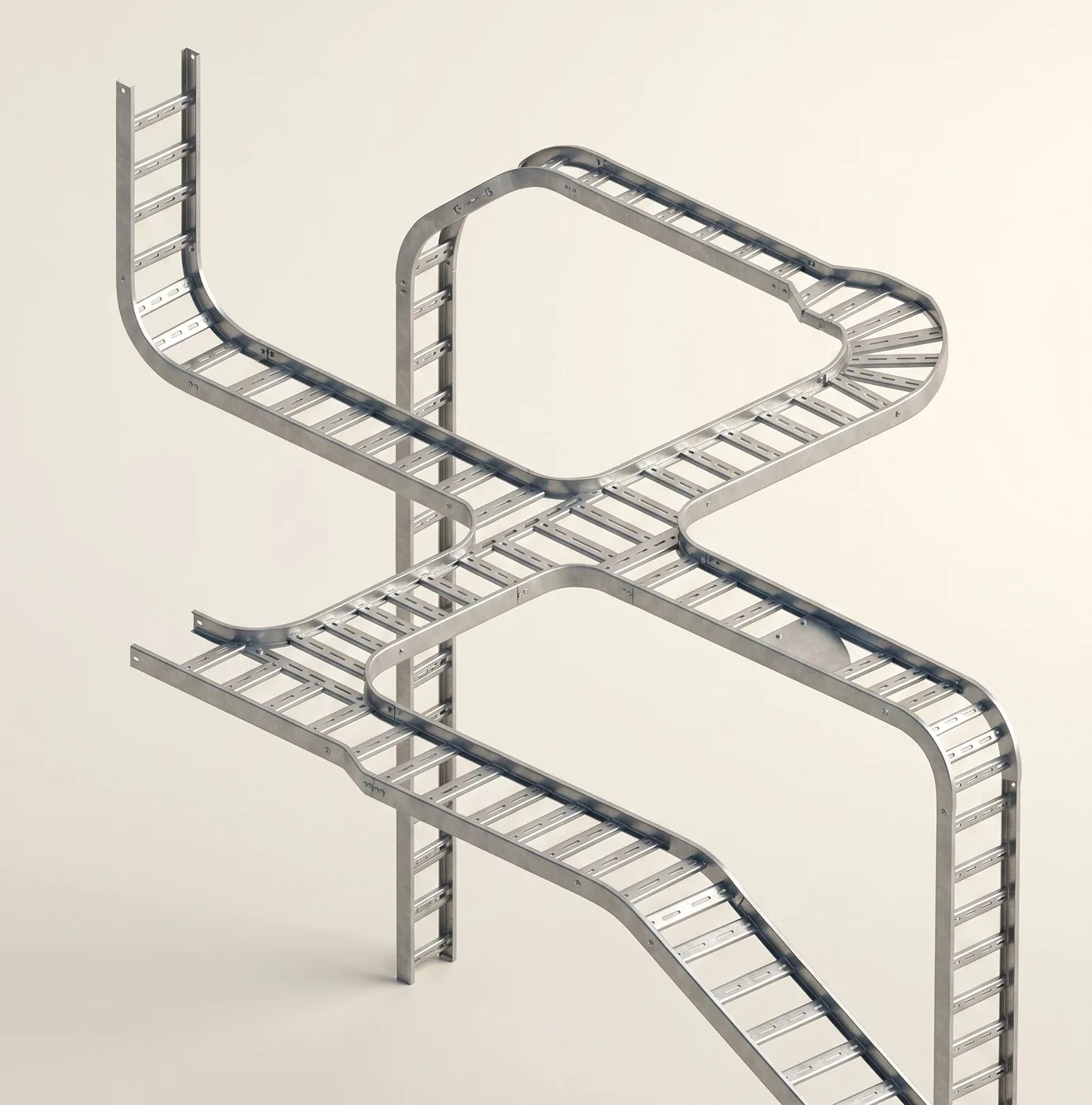
Cable ladder vs tray vs trunking: how to specify for your project.
Three cable management systems. One decision that sits at the top of every consulting engineer's workflow. This is how we think about ladder, tray, and trunking at Metosu — with the actual test numbers from our Sucofindo-witnessed reports.